November 19, 2026
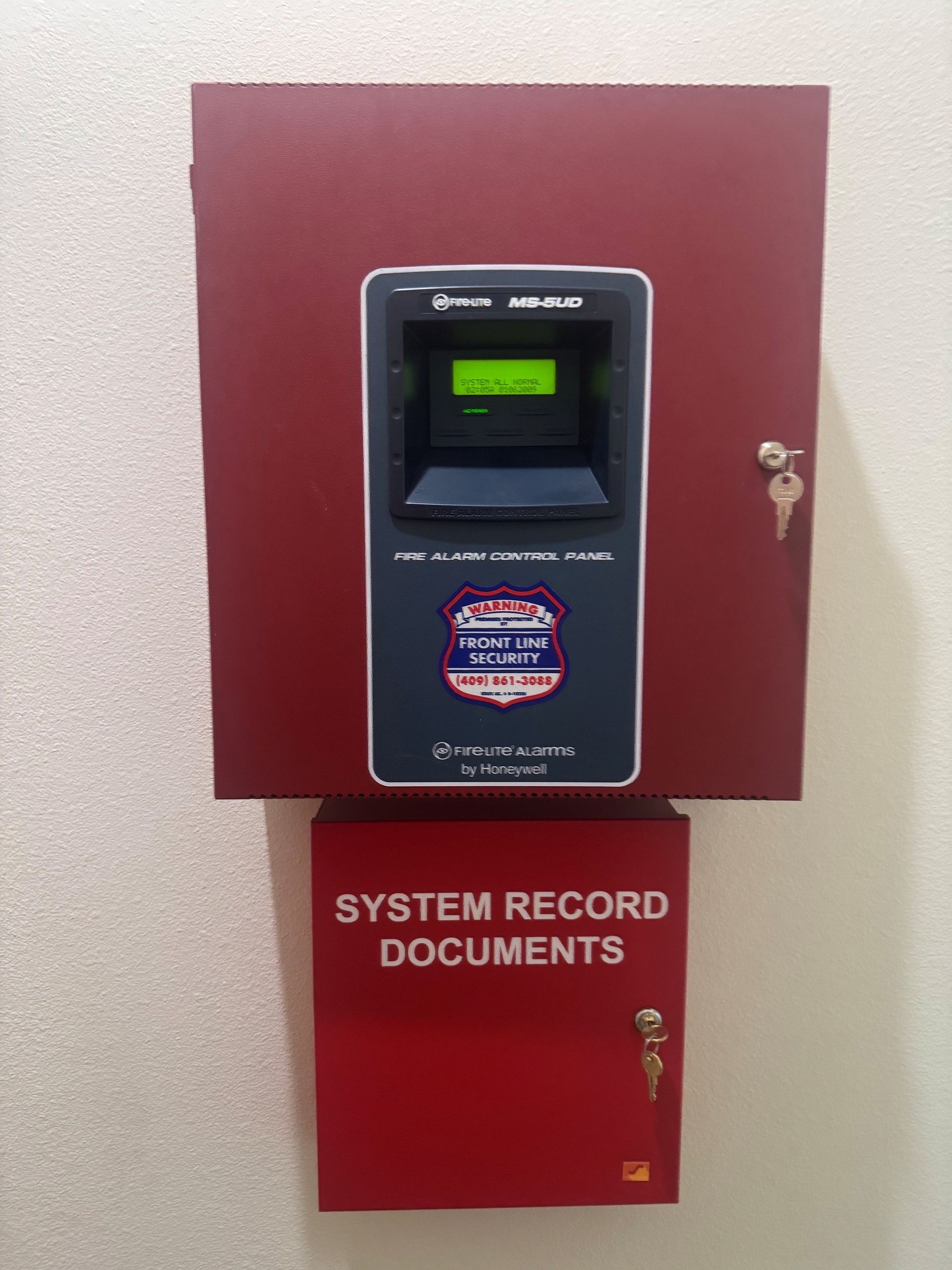
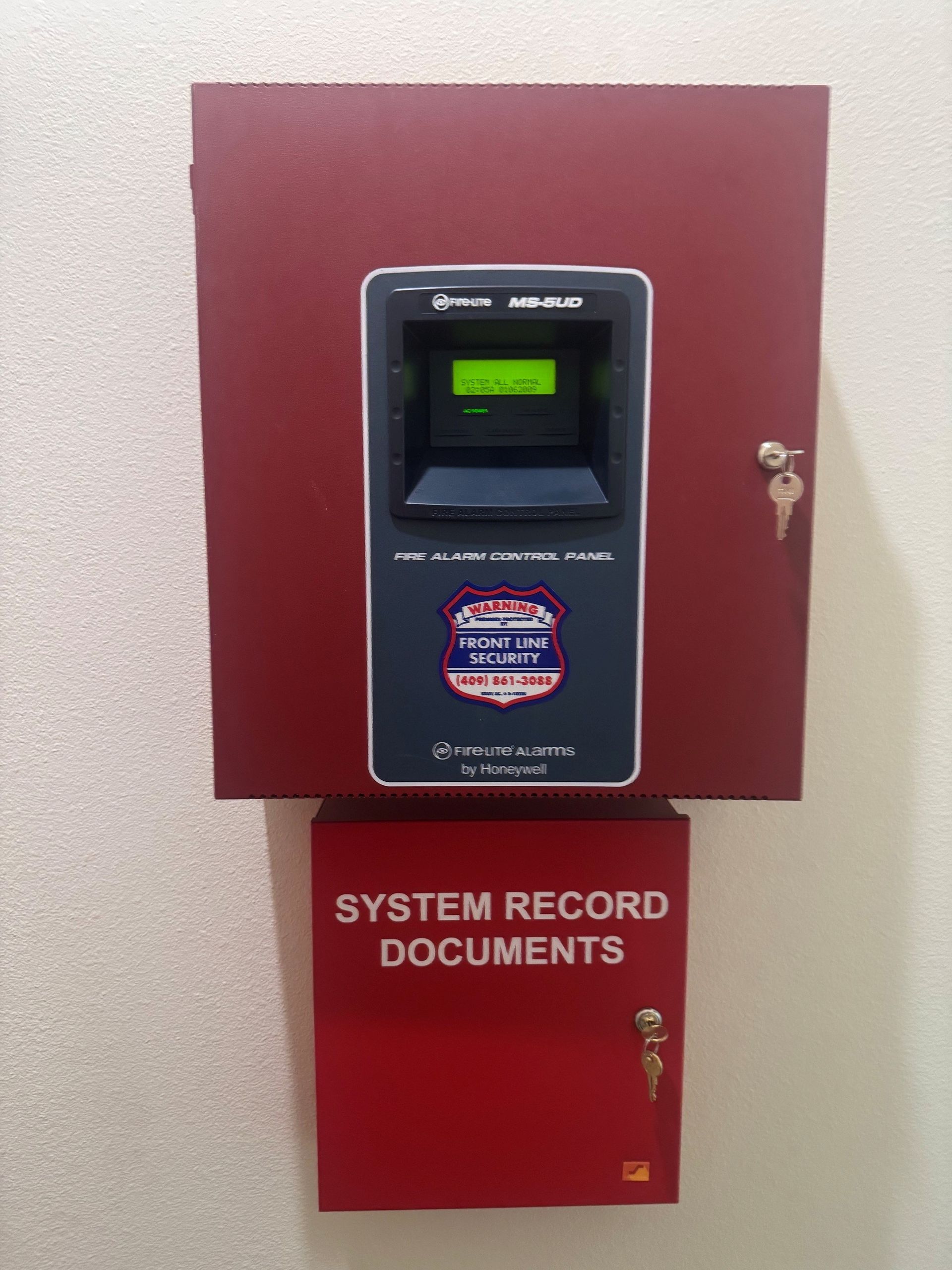
Commercial facilities rely heavily on life safety infrastructure to protect employees, customers, and vital assets around the clock. When detection hardware becomes outdated, hidden vulnerabilities quietly compromise workplace safety and daily business operations. Evaluating the condition of your existing fire alarm system ensures that your commercial property remains prepared for sudden emergencies and modern regulatory demands.
Recognizing the warning signs of obsolete technology allows facility managers to take proactive steps before a costly failure occurs. Upgrading to contemporary detection equipment delivers faster emergency response, lower maintenance headaches, and comprehensive protection across every corner of your building. Relying on legacy panels introduces unnecessary operational risks that no organization can afford to overlook.
Many business owners postpone infrastructure improvements because older equipment still powers on without displaying obvious warning lights. However, silent internal degradation, brittle wiring, and outdated communication protocols frequently prevent legacy systems from functioning properly during real emergencies. Taking a proactive approach protects your workforce while safeguarding long-term organizational stability.
1. Reduce Costly False Alarms and Operational Disruptions
Legacy smoke and heat detectors often struggle to differentiate between genuine combustion and harmless environmental triggers like dust, steam, or cooking vapor. Frequent nuisance alerts force staff members to evacuate, interrupt customer service, and waste valuable productivity across your entire organization. Over time, recurring false dispatches can also lead to substantial municipal fines and strained relationships with local emergency responders.
Modern fire alarm technology utilizes advanced multi-criteria sensors that analyze smoke particles, heat signatures, and ambient air quality simultaneously. This intelligent filtering dramatically decreases false triggers while maintaining rapid sensitivity to genuine flames. Your workforce can focus on core business goals without enduring constant interruptions from faulty or overly sensitive legacy hardware.
Additionally, persistent false alerts create dangerous complacency among building occupants who begin ignoring warning horns altogether. When staff members assume every siren is another technical glitch, critical evacuation minutes slip away during a real crisis. Replacing erratic sensors restores immediate trust in your life safety notifications so everyone exits promptly when danger strikes.
2. Improve Emergency Response Speed and Detection Accuracy
Every moment counts when smoke or flames break out inside an active workplace, warehouse, or retail storefront. According to SafeHome.org, emergency fire crews across the U.S. are dispatched to a fire incident on average every 24 seconds. Relying on sluggish, outdated sensors wastes critical time that occupants need to evacuate safely and responders need to contain structural damage.
Upgraded addressable systems pinpoint the exact room, hallway, or zone where a sensor activates rather than sending responders to search an entire floor. Clear digital readouts guide emergency personnel straight to the source of the hazard immediately upon arrival. Faster localization minimizes property loss, reduces smoke damage, and protects human lives when emergencies unfold.
Modern detectors also identify slow-smoldering fires much earlier than older ionization units, providing valuable extra minutes for safe egress. Early warning transforms a potentially catastrophic building fire into a contained, manageable incident before flames spread through concealed ceiling spaces. Rapid intervention keeps structural repairs minimal and helps your business resume normal operations much sooner.
3. Maintain Strict Compliance With Updated Safety Codes
Building codes and municipal safety standards evolve continuously to address modern construction materials and complex commercial layouts. An older fire alarm panel installed long ago may no longer satisfy current local ordinances, national life safety guidelines, or updated accessibility requirements. Failing a routine fire marshal inspection can result in steep penalties, mandatory operational shutdowns, or delayed occupancy permits during renovations.
Transitioning to modern detection infrastructure brings your facility into full alignment with contemporary regulatory benchmarks. Newer systems incorporate synchronized strobe lights, clearer audible horns, and accessible manual pull stations designed to alert every occupant effectively. Proactive compliance protects your organization from legal liability while demonstrating a genuine commitment to workplace safety.
Furthermore, maintaining thorough digital inspection logs becomes effortless with modern control panels that record testing histories automatically. Facility managers can present accurate compliance documentation to local authorities without scrambling through scattered paper binders. Smooth inspections eliminate administrative headaches and keep your commercial property in good standing with municipal regulators.
4. Eliminate Expensive Repairs and Obsolete Replacement Parts
Maintaining aging life safety hardware becomes increasingly difficult and costly once manufacturers discontinue support for older product lines. Facility managers often face steep markups when sourcing rare circuit boards, legacy sensors, or specialized backup batteries from secondary markets. Repeated service calls to patch failing wiring or unresponsive control panels quickly drain annual maintenance budgets without solving underlying reliability issues.
Investing in a current fire alarm installation provides immediate access to readily available components, manufacturer warranties, and streamlined technical support. Modern panels also feature automated self-diagnostic tools that alert technicians to low batteries, dirty sensors, or wiring faults before total system failure happens. Predictable upkeep costs make long-term facility budgeting far simpler and more reliable.
Upgrading also eliminates the risk of prolonged system downtime while waiting weeks for discontinued parts to ship from distant suppliers. Your building avoids expensive emergency fire watch staffing requirements triggered whenever an impaired system goes offline. Investing in dependable hardware turns reactive emergency repair bills into controlled, routine preventive maintenance.
5. Integrate Seamlessly With Modern Building Management Systems
Older standalone safety panels operate in isolation, unable to communicate with access control doors, heating and cooling networks, or emergency mass notification tools. During a crisis, disconnected systems require manual intervention to unlock exit doors, shut down air handlers that spread smoke, or broadcast clear evacuation instructions. This lack of coordination slows down emergency protocols and creates unnecessary confusion for building occupants.
Contemporary fire alarm platforms connect directly with broader smart building infrastructure to automate critical life safety responses. When a detector triggers, the integrated network can automatically unlock security doors, recall elevators to safe floors, and shut down ventilation fans. Seamless communication across all building systems creates a unified, automated defense that protects everyone inside your facility.
Integrated mass notification capabilities also allow facilities to deliver clear voice instructions tailored to specific building zones during unfolding emergencies. Occupants receive actionable guidance rather than confusing siren blasts, preventing bottlenecks at primary exits. Automated coordination ensures that every mechanical and security system works together smoothly when seconds matter most.
6. Lower Commercial Insurance Premiums and Financial Liability
Commercial property insurers closely evaluate the age, reliability, and monitoring capabilities of a facility's life safety equipment when calculating policy rates. Outdated panels lacking modern central station monitoring or cellular backup communicators represent a significantly higher risk of catastrophic loss. As a result, businesses operating with legacy hardware often pay elevated premiums or face stricter underwriting exclusions.
Upgrading your fire alarm infrastructure demonstrates strong risk management to insurance providers and can qualify your business for valuable policy discounts. Continuous cellular and internet monitoring ensures that emergency dispatchers receive instant alerts even if traditional telephone lines suffer damage during a storm or fire. Lowering your risk profile safeguards your balance sheet while protecting your physical investments.
In the unfortunate event of a property loss claim, documented proof of modern, well-maintained safety infrastructure also streamlines underwriting reviews and prevents coverage disputes. Insurers reward proactive facility stewardship with broader protection and more favorable renewal terms.
Upgrading an outdated
fire alarm system is a smart investment that protects your people, preserves business continuity, and strengthens overall facility resilience. Do not wait for an inspection failure or a sudden equipment breakdown to expose your commercial property to unnecessary danger. Contact Front Line Security today to schedule a comprehensive facility assessment and upgrade your commercial fire protection with confidence.